
Red Tegu

Updated: Apr 10
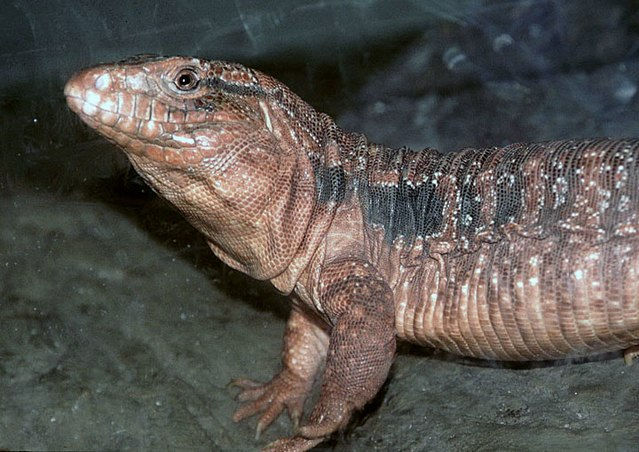
The red tegu (Salvator rufescens) is native to western Argentina, Bolivia, and Paraguay in South America. It is a large lizard, with adults typically reaching 90 to 140 cm in total length. Males are more robust than females, not only larger in size but also possessing well-developed jaw muscles that form prominent cheek bulges, giving them a powerful appearance. Juveniles are usually brownish-green with black bands and white stripes, gradually developing a vivid reddish coloration as they mature. Males often display more intense coloration than females. This striking color transition contributes to the popularity of the red tegu among reptile keepers.
In the wild, red tegus are diurnal and primarily terrestrial. They are active burrowers, digging shelters both for daily refuge and for seasonal dormancy. During colder periods, they may enter a state of brumation lasting several months. In Argentina's temperate climate, they can adapt to seasonal changes, often becoming less active between March and August and resuming activity in spring. In natural habitats, red tegus are capable of hybridizing with the black and white tegu (Salvator merianae), forming stable hybrid populations.
Red tegus are opportunistic omnivores with a highly varied diet. In the wild, they consume fruits, vegetables, insects, small mammals, birds, fish, and carrion. Their dietary composition shifts with age: juveniles rely more on insects and small invertebrates, while adults consume more vertebrate prey such as rodents, fish, birds, and other small reptiles. This dietary flexibility allows them to thrive in a wide range of ecological conditions.
Their lifespan in the wild is influenced by predators such as birds of prey, pumas, and large snakes, with juveniles facing higher predation pressure. When threatened, they may use tail autotomy to escape or defend themselves by lashing with their powerful tails. In parts of South America, overhunting for leather and meat has led to declines in native populations.
Housing Requirements in Captivity
In captivity, red tegus require a spacious enclosure. As active, large-bodied lizards, the enclosure length should be at least twice the animal's body length, with a width approximately equal to its length. The height must also be sufficient to accommodate deep substrate for burrowing. For adults, an enclosure measuring around 250 × 150 cm made of wood or acrylic is considered appropriate. Juveniles can initially be housed in smaller glass enclosures, but due to their rapid growth, they must be upgraded to larger spaces in a timely manner.
A clear thermal gradient is essential for thermoregulation. One end of the enclosure should provide a basking spot of 40 to 45°C, while the cooler end should range between 24 and 30°C, allowing the animal to regulate its body temperature through movement. UVB lighting is recommended to support vitamin D3 synthesis and skeletal health. Humidity should be maintained between 60% and 80%. A substrate mixture of soil and coconut fiber can help retain moisture, and moss can be added to create localized humid areas.
The substrate must support natural burrowing behavior. While cypress mulch has traditionally been used, soil and sand mixtures are now preferred for environmental and health reasons. The substrate depth should be at least 30 cm to allow natural burrow construction. Adding leaf litter or natural plant material helps maintain humidity and creates a more naturalistic environment. A large water container must be provided, deep enough for full-body soaking. Since it often doubles as a defecation site, daily cleaning is necessary.

Feeding Conditions
The captive diet of red tegus should reflect their natural feeding habits. Juveniles should primarily be fed crickets, cockroaches, mealworms, and small ants, supplemented with chopped fruits. As they grow, their diet can gradually include small mammals such as mice, as well as eggs and fish as protein sources. Plant-based foods should not be neglected. Animal-derived foods should make up approximately 50% to 70% of the diet, with the remainder consisting of fruits and vegetables. Excessive meat consumption can lead to obesity and liver stress, so it must be carefully controlled.
Oily or processed meats should be avoided. Whole prey items such as frozen-thawed mice are ideal, as they provide balanced nutrition including bones and organs. Fruits such as blueberries, strawberries, and bananas can be offered as treats, while citrus fruits should be avoided to prevent digestive issues. Calcium and multivitamin supplementation are essential, particularly for juveniles and breeding females. When diets are heavily meat-based, calcium supplementation becomes even more important.
During feeding, keepers should avoid allowing the animal to associate human hands with food, as this may lead to aggressive behavior. Feeding tongs or a designated feeding platform can help separate feeding from human interaction. Red tegus are relatively intelligent and can learn through conditioning, so consistent feeding cues may help establish stable behavioral patterns.
Breeding Conditions
When red tegus reach sexual maturity, reproductive behaviors may be observed. Males display courtship behaviors such as head bobbing and hissing, and will grasp the female's neck with their jaws during mating. After copulation, females dig burrows to lay eggs, producing clutches ranging from a few to over a dozen eggs. The eggs are white, oval-shaped, and measure approximately 4 to 5 cm. Incubation typically lasts several weeks, and hatchlings measure about 7 to 11 cm in length. They exhibit a bright green coloration with spotting, providing effective camouflage.
In captivity, sufficient substrate depth must be provided for egg-laying. Eggs require stable humidity and temperature conditions; otherwise, embryonic development may be compromised. Because hatchlings grow rapidly and require attentive care, inexperienced keepers are not advised to attempt breeding. Without proper planning and resources, mortality rates may increase. For most keepers, breeding should be avoided unless adequate preparation and support are available.
Preventing Invasive Spread
The red tegu is native to South America, but it has shown invasive potential outside its natural range. In regions such as Florida in the United States, several tegu species, including the red tegu, have established wild populations. These lizards pose a threat to local ecosystems by preying on bird eggs, small reptiles, and mammals, leading to ecological imbalance.
Keepers must act responsibly and never release or abandon these animals. As large reptiles with a lifespan of 15 to 20 years, red tegus require long-term commitment. Before acquiring one, individuals should carefully evaluate whether they have the space, financial resources, and time necessary for proper care. If keeping the animal is no longer possible, it should be rehomed through legal animal shelters or transferred to a qualified keeper, rather than released into non-native environments.
Author: Shui-Ye You


Comments