
Sirenia and Pinnipeds Are Very Different

Updated: Apr 10
When people are not familiar with the evolutionary relationships of sirenians (Sirenia) and pinnipeds (Pinnipedia), they often assume that these animals are closely related because of their similar external appearance. In reality, this assumption is incorrect. Their evolutionary histories are far more distant than their superficial resemblance might suggest.
Sirenians, which include the families Dugongidae and Trichechidae, share a common ancestry with animals such as aardvarks (Tubulidentata), elephants (Proboscidea), hyraxes (Hyracoidea), elephant shrews (Macroscelidea), and tenrecs (Afrosoricida). All of these groups belong to the Afrotheria. Fossil representatives of the sirenian stem lineage include early Eocene forms such as Pezosiren and Prorastomus, which still retained features associated with life on land. In modern sirenians, the tail fluke evolved from the original tail, while the hind limbs have completely disappeared, leaving only small vestiges of the pelvis within the skeleton. Members of Sirenia are now fully adapted to aquatic life and spend their entire lives in the water.
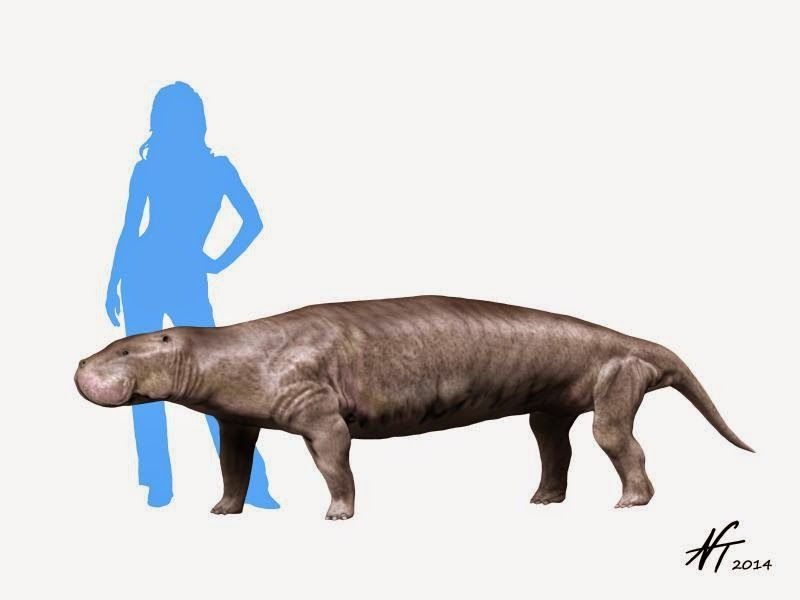

Pinnipeds, in contrast, include animals such as fur seals, sea lions, seals, and walruses. They belong to Carnivora within the clade Laurasiatheria and are more closely related to bears and mustelids than to sirenians. In the fossil record, the Oligocene genus Enaliarctos is currently regarded as the earliest known pinniped. From a skeletal perspective, one of the major differences between pinnipeds and sirenians is the way their swimming structures evolved. Pinnipeds developed flipper-like hind limbs derived from their original legs, while their tail remains relatively short. These animals frequently come onto land, indicating that they are not fully aquatic and still retain aspects of a terrestrial lifestyle.


Aside from cetaceans, which evolved from within Artiodactyla, sirenians and pinnipeds represent two additional examples of mammalian lineages that independently transitioned from land to life in the water. It raises an interesting question: as the hippopotamus, a member of Artiodactyla, continues to evolve in aquatic environments, what might its distant descendants eventually look like?

Author: Shui-Ye You


Comments