
The Sound of Evolution
Atenolol
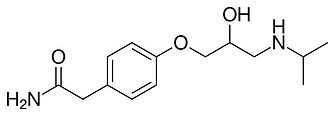
Mechanism of action:
Atenolol is a selective β₁-adrenergic receptor blocker. It acts primarily on β₁ receptors in the heart, where it inhibits the stimulatory effects of epinephrine and norepinephrine on cardiac receptors. As a result, it reduces heart rate, myocardial contractility, and cardiac output, thereby lowering blood pressure and decreasing myocardial oxygen demand.
Atenolol also acts on β₁ receptors of the juxtaglomerular cells in the kidneys. By blocking these receptors, it decreases the release of renin, which in turn suppresses the renin-angiotensin-aldosterone system (RAAS). This reduces RAAS-mediated vasoconstriction and fluid retention signaling, thereby further contributing to the regulation of blood pressure.
Reference(s):
1. January CT et al. (2019). 2019 AHA/ACC/HRS focused update of the 2014 AHA/ACC/HRS guideline for the management of patients with atrial fibrillation. Heart Rhythm.
2. Ross DS et al. (2016). 2016 American Thyroid Association guidelines for diagnosis and management of hyperthyroidism and other causes of thyrotoxicosis. Thyroid.
3. Ezekowitz JA et al. (2017). 2017 comprehensive update of the Canadian Cardiovascular Society guidelines for the management of heart failure. Can J Cardiol.