
A Bird That Spends Almost Its Entire Life in Flight: The Swift

When people watch swifts slicing across the sky, they rarely imagine that this flight represents a lifestyle that is almost completely detached from the ground. Swifts (family Apodidae) and swallows of the order Passeriformes are evolutionarily distant and belong to entirely different groups of birds. Swifts are highly adapted to an aerial lifestyle: their food consists mainly of airborne insects, and even nest material is typically collected while in flight. During the non-breeding period, they may remain almost continuously airborne, and their small, weak legs are not suited for frequent landing, keeping them in the air for most of their lives.
Because they spend most of their time at high altitudes and migrate across continents, their behavior has long been extremely difficult to observe. A study conducted in southern Sweden equipped adult common swifts (Apus apus) with micro data loggers that combined accelerometers with light-level sensors, allowing researchers to record flight activity and geographical position over extended periods. The tracking data revealed that during the approximately 10-month non-breeding period, common swifts remained airborne for more than 99% of the time. Some individuals showed no clear evidence of landing at all. Researchers did detect reduced activity at night in some birds, which may indicate brief periods of roosting, but the total accumulated time not flying amounted to less than 1%. Even over an entire winter, only a few cases showed several hours of non-flight activity.


Common swifts exhibit a highly regular daily rhythm. The study found that they perform distinct ascending flights at dawn and dusk, reaching altitudes of up to about 2,500 meters, and this behavior occurs throughout the year. The function of these twilight ascents remains unclear, but they are thought to be related to navigation. When birds migrate across vast airspaces, changes in altitude may help them acquire environmental cues such as wind patterns or light conditions. In addition, flight behavior differs between day and night. During the daytime, swifts frequently exploit thermal updrafts to glide, reducing the energetic cost of flapping flight, whereas at night they rely more on active flapping.
Only during the breeding season does this lifestyle shift. Common swifts, which otherwise remain almost entirely airborne, begin to return frequently to their nests. They roost in the nest at night and shuttle between foraging and feeding their chicks during the day.
Molt may also be linked to flight behavior. Individuals that remain almost continuously airborne typically complete their molt of flight feathers during winter, whereas those that show more frequent nocturnal inactivity often retain some unmolted feathers. Molt is an energetically demanding process that also affects aerodynamic performance, and these differences may reflect trade-offs between energy allocation and flight capability among individuals.
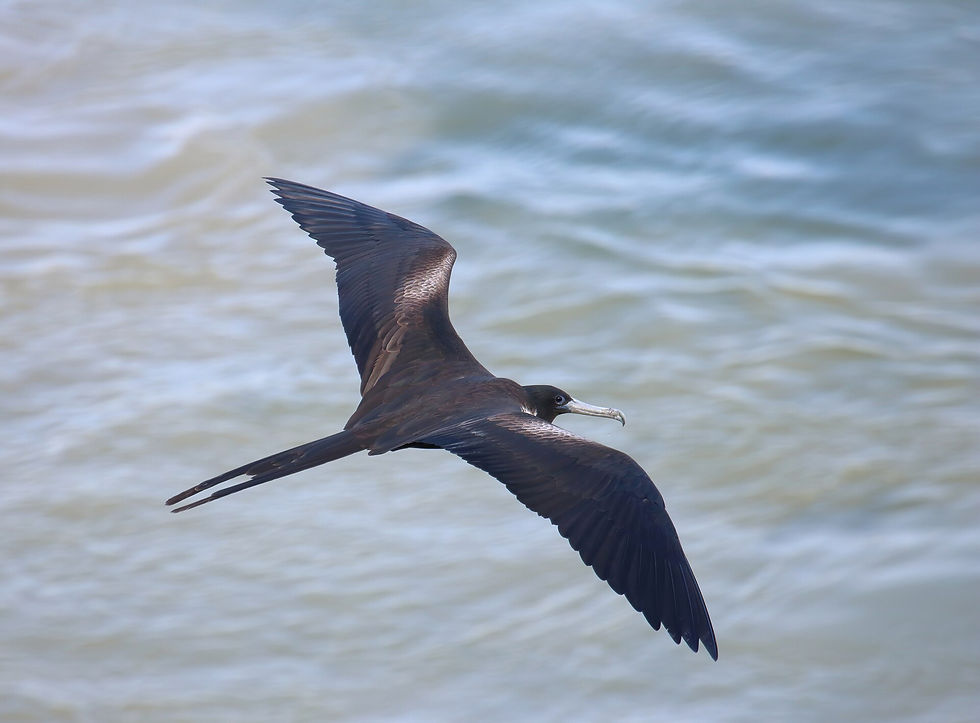
This raises a fundamental question: how do swifts rest or sleep? There is currently no direct evidence demonstrating that they sleep while flying. However, in other long-duration fliers such as frigatebirds (Fregata), brief episodes of sleep in flight have been documented. Given that swifts remain airborne even longer and land even less frequently, it is likely that they possess even more specialized physiological mechanisms. Further insights will require future studies involving neural or electrophysiological measurements.
From an evolutionary perspective, the lifestyle of swifts is tightly linked to their ecological niche. They specialize in capturing high-altitude aerial insects, a resource that is widespread but patchily distributed, requiring continuous flight to exploit effectively. At the same time, their body design is highly optimized for flight, with a streamlined shape and high-aspect-ratio wings that reduce energy costs. Their ability to move on the ground is extremely limited, and frequent landing would increase their vulnerability to predators. By avoiding terrestrial risks and exploiting aerial resources, swifts have effectively transformed the entire non-breeding period into a prolonged phase of continuous flight.
Video: Swift in flight and drinking water
Author: Shui-Ye You
Reference:
Hedenström A et al. (2016). Annual 10-Month Aerial Life Phase in the Common Swift Apus apus. Current Biology.


Comments